Table of Contents
As we move through 2024, Toronto's interior design landscape is embracing a beautiful blend of bold statements and serene retreats. This year's color trends reflect our city's diverse personality - from the sophisticated urban dwellings of downtown to the cozy family homes in the suburbs. Whether you're planning a complete home makeover or just refreshing a single room, these trending colors will help you create spaces that feel both current and timeless. For personalized color advice, our professional color consultants can help you select the perfect palette.
Many homeowners combine trending colors with interior painting services to completely transform their living spaces. Additionally, understanding how these trends work with your existing decor is essential - living room painting often serves as the starting point for implementing new color trends throughout your home.
For more color inspiration from industry leaders, visit Sherwin-Williams' official color trends page for additional trending color ideas and professional palettes.
Top 5 Paint Colors for 2024
1. Naval Blue
Deep, sophisticated blues continue to dominate in 2024 Toronto paint color trends. Naval blue creates a sense of calm and stability while making a strong design statement. It works beautifully in bedrooms, home offices, and as an accent color in living spaces. Toronto's modern condos and traditional homes alike are embracing this rich hue for its versatility and timeless appeal.
In practice, naval blue works exceptionally well in Toronto's Victorian row houses found throughout Leslieville, Riverdale, and the Annex. Applied on a single feature wall with warm brass fixtures and natural wood trim, it creates a dramatic yet livable contrast. In downtown condos, naval blue on all four walls of a bedroom, paired with crisp white trim and linen bedding, produces a cocoon-like retreat that feels both modern and timeless. For Scarborough and North York suburban semis with open-concept main floors, limit naval blue to an accent wall behind the sofa or fireplace to anchor the space without overwhelming it.
Perfect for: Bedrooms, accent walls, kitchen cabinets
2. Forest Green
Nature-inspired greens are having a major moment. Forest green brings the outdoors inside, creating spaces that feel grounded and refreshing. This earthy tone pairs beautifully with natural wood finishes and metallic accents, making it ideal for Toronto homes that want to connect with nature while maintaining urban sophistication.
Forest green is particularly suited to Toronto's older Victorian row houses, where it complements the original dark wood trim, stained glass transoms, and ornate plaster ceilings. In a narrow row house dining room, painting all four walls forest green with gold-tone hardware creates an intimate jewel-box effect that's both dramatic and welcoming. For condo dwellers in King West or Yonge and Eglinton corridors, forest green on kitchen cabinetry against white quartz countertops delivers a sophisticated, design-forward look. In suburban semis in Markham or Mississauga, a single forest green accent wall in the living room paired with warm wood flooring bridges the gap between contemporary and cozy.
Perfect for: Living rooms, dining areas, home offices
3. Warm Greige
The perfect blend of gray and beige continues to be Toronto's go-to neutral. Warm greige creates cozy, inviting spaces that work with any decor style. It's particularly popular in open-concept homes where you need a cohesive color flow throughout multiple spaces. This versatile neutral adapts beautifully to Toronto's changing seasons.
Warm greige is the ultimate solution for Toronto's older semi-detached homes and row houses where rooms flow into one another through wide archways and pocket doors. Running a single warm greige throughout connected living, dining, and hallway spaces creates visual continuity and makes narrow footprints feel more expansive. In large suburban homes in Aurora, Richmond Hill, or Oakville, warm greige on walls allows large sectional sofas, area rugs, and artwork to take centre stage without colour competition. Condo owners appreciate warm greige for its ability to work with both cool north-facing light and warm south-facing afternoon sun, making it one of the safest investment colours in the GTA.
Perfect for: Open-concept spaces, hallways, trim work
4. Terracotta Warmth
Earthy terracotta and rust tones are making a strong comeback, bringing warmth and character to Toronto homes. These rich, warm colors create intimate spaces that feel both modern and grounded. They're especially popular in dining rooms and kitchens where they create a welcoming atmosphere for family gatherings.
Terracotta's warmth counteracts Toronto's long grey winters particularly well. In Victorian homes with east-facing dining rooms that receive cool morning light, terracotta walls transform what can feel like a shadowy space into a warm, amber-lit gathering room by afternoon. For Etobicoke or East York suburban semis, terracotta pairs beautifully with the natural brick fireplaces and original hardwood floors common in post-war homes. In a downtown condo kitchen, terracotta on the island or lower cabinets, set against white upper cabinets and stainless appliances, delivers a collected, artisan feel that stands out from the sea of all-white kitchens.
Perfect for: Dining rooms, kitchens, accent walls
5. Soft Lavender
Gentle purples and lavenders are emerging as the new neutrals for creating serene, sophisticated spaces. These soft tones add personality without overwhelming, making them perfect for bedrooms and bathrooms. In Toronto's fast-paced environment, these calming colors create much-needed retreats for relaxation and rejuvenation.
Soft lavender is gaining particular traction in Toronto's condo bedrooms where space is limited and a sense of calm is essential. Unlike more saturated purples that can feel heavy in small rooms, soft lavender reads almost as a sophisticated neutral under artificial light while revealing its gentle violet character in natural daylight. In Victorian homes with large primary bedrooms, soft lavender all-over with white plaster ceiling medallions and white trim produces a romantic, period-appropriate atmosphere. For suburban semis, lavender in a child's room or a home office doubles as a gender-neutral, creativity-enhancing colour that still feels grown-up enough to last through multiple life stages without repainting.
Perfect for: Bedrooms, bathrooms, reading nooks
Toronto-Specific Considerations
Natural Light
Toronto's varying natural light throughout the year affects how colors appear. Test paint samples at different times of day to see how they look in both bright summer light and gloomy winter conditions.
Urban Context
Consider your neighborhood's character. Downtown condos might benefit from bold, modern colors, while residential neighborhoods in North York or Scarborough might lean toward traditional, warm tones.
Seasonal Adaptation
Choose colors that work year-round. Warm neutrals and deep tones tend to feel cozy in winter while remaining sophisticated in summer months.
Architecture
Respect your home's architectural style. Victorian homes in Cabbagetown can handle richer colors, while modern condos in the Entertainment District might suit cleaner, contemporary palettes.
How to Test Paint Colors Before Committing
Choosing the wrong colour is one of the most common and costly mistakes Toronto homeowners make. With paint chips looking dramatically different under store lighting versus the actual walls of your home, testing before committing is absolutely essential. Here are four practical strategies professional painters at GTA Paint recommend to every client:
Buy Sample Pots and Paint Large Swatches
Purchase a sample pot (typically 200–300 mL) and paint a large swatch, at least 30 cm x 30 cm, directly on the wall. Avoid painting small chips onto paper, as the white card stock changes how your eye perceives the colour. Paint two coats on multiple walls in the room, including the wall that receives the most direct light and the darkest corner. This is the single most effective colour-testing method available.
Observe at Multiple Times of Day
Toronto's light shifts dramatically from early morning to late afternoon. A north-facing bedroom in a Bloor West Victorian that looks moody and rich at 8 AM can appear completely different, lighter and cooler, by noon when reflected light bounces off neighbouring buildings. Live with your test swatches for a full weekend, checking in morning light, midday, late afternoon, and under your artificial lighting in the evening. Only then will you have an accurate picture of how the colour truly behaves in your specific space.
Test Adjacent to Your Fixed Elements
Paint your test swatch next to the fixed elements that cannot be changed, flooring, tile, countertops, existing cabinetry, and brick fireplace surrounds. Toronto's older homes often have warm-toned honey oak hardwood or original fir floors that can conflict with cool grey walls. If you have a white subway tile bathroom or a beige carpet in the bedroom, your swatch needs to be evaluated against those fixed elements, not in isolation. What looks perfect on the paint chip at the store may clash significantly with your actual finishes.
Test Three Similar Shades Side by Side
When you think you've found the right colour, paint swatches of the shade you've selected plus one shade lighter and one shade darker from the same paint strip. This technique, called "strip testing", often reveals that homeowners actually prefer the shade one or two steps lighter or darker than their original choice. It costs very little extra in sample paint but eliminates the most common regret in interior painting: "I wish I'd gone a bit lighter/darker." Our colour consultants routinely save clients from costly repaints this way.
Working With Your Toronto Home's Undertones
Every paint colour has an undertone, a secondary hue that becomes visible when the paint interacts with the light in your specific room. Understanding undertones is critical for Toronto homeowners because our city's light quality changes dramatically between seasons, creating conditions where a colour that looked perfect in September can feel entirely wrong in January.
Toronto's Seasonal Light Shifts
In summer, Toronto receives warm, golden light particularly during late afternoon hours. Rooms flooded with southwest-facing summer sun tend to amplify warm undertones in paint, yellows get more golden, beiges turn more orange, and warm whites glow beautifully. This is why colours chosen during summer renovations sometimes feel unexpectedly cold and flat come January.
In winter, Toronto's light becomes cool and blue-tinted, especially in north and east-facing rooms. Under winter's grey skies, the cool undertones in any paint colour are amplified. A greige that reads as perfectly balanced in October can reveal a distinctly purple or green undertone by December. This is particularly noticeable in high-traffic Toronto row house hallways that receive no direct natural light.
Warm Undertones (Red, Yellow, Orange)
Best for north and east-facing rooms that receive cool, indirect light year-round. Warm undertones counteract the coolness of the light and prevent spaces from feeling washed out or cold in winter. Ideal for Toronto's many Victorian semi-detached homes with narrow north-facing front rooms.
Examples: Sherwin-Williams Accessible Beige, Benjamin Moore White Dove, any colour with a yellow or red base.
Cool Undertones (Blue, Green, Purple)
Better suited to south and west-facing rooms that receive warm, direct sunlight for many hours. Cool undertones balance the warmth of afternoon sun and prevent spaces from feeling too hot or overwhelming. Popular in GTA new-build homes with open-concept great rooms that face southwest.
Examples: Benjamin Moore Revere Pewter, Sherwin-Williams Agreeable Gray, any colour with a blue or green base.
When working with undertones in a connected open-concept space, common in Toronto's suburban homes and renovated semis, choose colours from the same undertone family to maintain visual harmony as light shifts throughout the day and seasons. Mixing warm and cool undertones in adjacent open spaces almost always results in one room looking "off" relative to the other, a problem that's much more obvious after the painting is complete than it appears on paint chips.
Bringing It All Together
The 2024 color trends offer something for every Toronto home, from bold statements to subtle sophistication. The key is choosing colors that not only reflect current trends but also work with your lifestyle, home architecture, and personal style.
Remember that the best color choices consider your specific space - lighting, room size, existing furnishings, and how you use each room. Don't be afraid to test samples and live with them for a few days before making your final decision.

Ready to Transform Your Home?
Let our expert color consultants help you choose the perfect 2024 colors for your Toronto home.
Related Articles
How Color Psychology Affects Your Home
Understanding the psychological impact of colors in your living spaces.
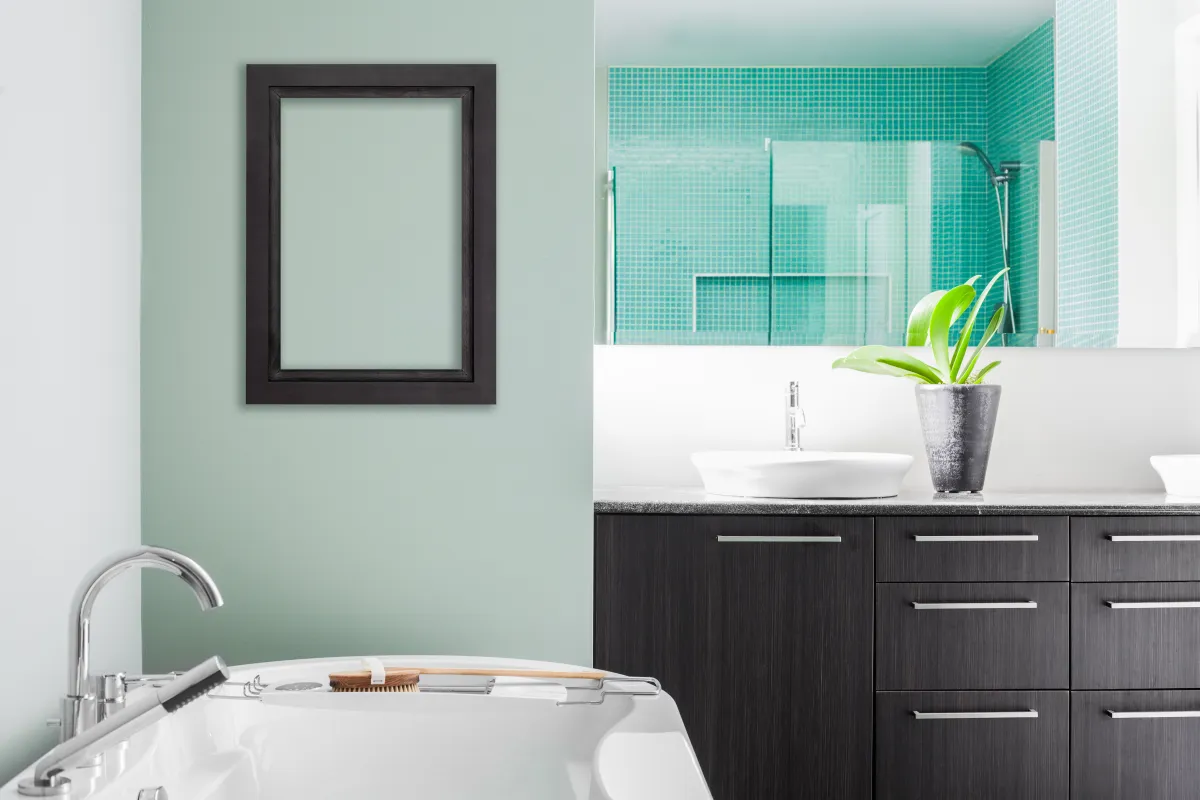
Complete Guide to Bathroom Painting
Everything you need to know about painting bathrooms in Toronto's climate.

2024 Toronto Painting Cost Guide
Complete breakdown of painting costs in Toronto for 2024.