Field-Proven Delivery
Our crews follow repeatable workflows based on real GTA project conditions, with checkpoints at prep, application, and closeout.
Industrial & Protective Coatings for Demanding Applications
Specialty coatings Toronto properties and facilities rely on for industrial and specialized applications. Our industrial coating teams apply specialized systems. We provide epoxy flooring and surface preparation.
For industrial coating standards, visit Sherwin-Williams industrial coatings.
Heavy-duty epoxy coatings for industrial floors, warehouses, and manufacturing facilities.
Protective coatings that allow easy graffiti removal without damaging underlying surfaces.
Intumescent coatings that provide fire protection for structural steel and wood surfaces.
Specialized coatings resistant to chemicals, acids, and solvents for industrial environments.
Safety coatings for floors, stairs, and walkways to prevent slips and falls.
Exterior coatings that protect against UV damage and weathering for long-lasting durability.
Specialized coating solutions for diverse industrial and commercial applications.
Manufacturing plants, warehouses, and industrial facilities with heavy-duty protection.
Office buildings, retail spaces, and commercial properties with specialized coatings.
Parking garages and structures with protective and traffic-bearing coatings.
Hospitals and clinics with antimicrobial and hygienic coating solutions.
Professional application process ensuring maximum performance and durability.
Detailed evaluation of substrate conditions and coating requirements.
Specialized preparation including abrasive blasting, cleaning, and profiling.
Application of specialized primers for optimal coating adhesion.
Professional application using spray, roller, or specialized equipment.
Common questions about specialty coatings in Toronto
Specialty coatings are advanced paint systems designed for specific performance requirements such as chemical resistance, fire protection, anti-graffiti properties, or heavy-duty industrial protection.
Specialty coatings typically last 10-20 years depending on the type, application, and environmental conditions. Industrial epoxies can last 15-20 years with proper maintenance.
Yes, when applied by professionals following safety protocols. We use low-VOC formulations where possible and ensure proper ventilation and safety measures during application.
Specialty coatings can be applied to concrete, steel, wood, drywall, and various other substrates. The specific coating type depends on the surface and performance requirements.
Specialty coatings range from $5-25 per square foot depending on the type, surface preparation required, and application complexity. Industrial epoxies and fire-resistant coatings are typically at the higher end.
Prioritize contractors that can explain coating system selection by exposure, substrate, and maintenance requirements. A qualified local team should define prep standards, compatibility checks, and curing controls before application starts. Ask for project examples in similar environments and confirm they provide post-installation maintenance guidance to protect performance over time.
Get a free consultation and quote for specialty coating services in Toronto and GTA.
Specialty coatings toronto commercial and industrial properties require are a category of performance coating systems that go beyond standard paint in terms of chemical resistance, durability, and functional protection. GTA Paint applies these systems on a wide range of commercial and industrial applications across the greater Toronto area.
Epoxy coatings toronto are our most frequently specified specialty system. Two-part epoxy applied to concrete floors provides a hard, seamless surface that resists vehicle traffic, chemical spills, and abrasion. For commercial kitchens, food processing areas, and healthcare facilities, epoxy floor coatings meet hygiene and durability requirements that standard floor paint cannot match. Polyurethane topcoats are applied over epoxy in high-UV or exterior applications to prevent the ambering and chalking that epoxy alone develops under sunlight.
Industrial coatings toronto projects also include fire-retardant intumescent coatings for structural steel, anti-corrosion systems for metal surfaces, anti-graffiti coatings for transit and public infrastructure, elastomeric coatings for masonry and concrete, and line marking coatings for parking facilities. Each of these systems requires substrate-specific surface preparation, appropriate primer selection, strict pot life and application temperature controls, and curing time management that general painting contractors are not equipped to handle.
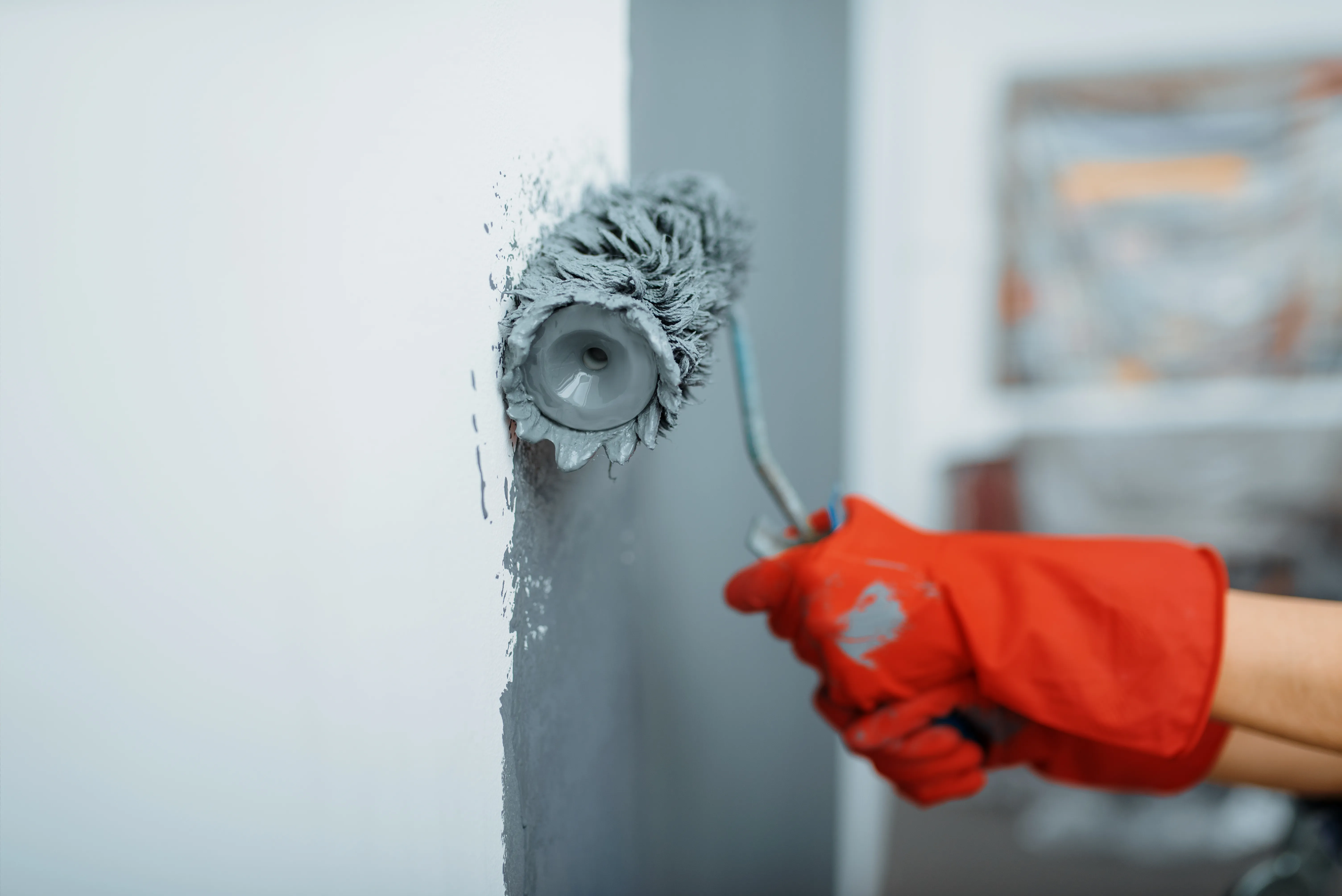
Strong specialty coatings results come from clear scope definition, not vague estimates. We map surface condition, prep depth, finish expectations, and sequencing before production starts. That helps homeowners comparing specialty coatings Toronto evaluate real value and avoid surprise revisions once work is underway.
Homes and mixed-use properties across Downtown Toronto, Leslieville, Riverdale, Liberty Village have different materials, traffic patterns, and moisture profiles. Our process adjusts coating choices and prep standards to those conditions so the finished result holds up under daily use.
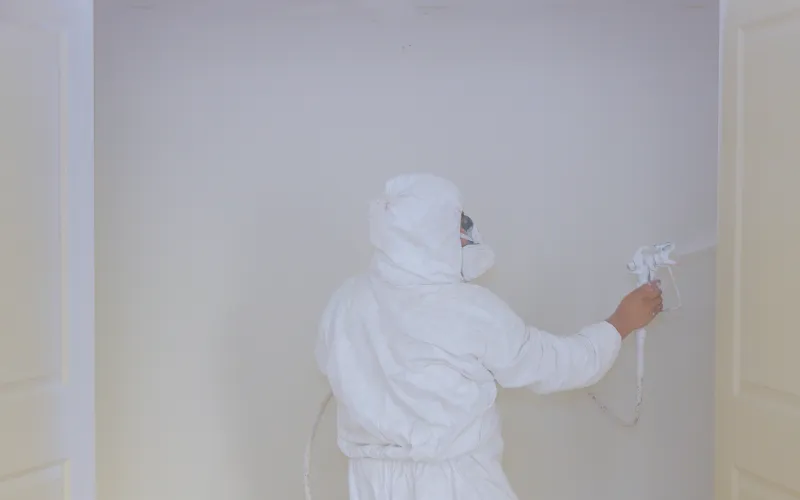
Our crews follow repeatable workflows based on real GTA project conditions, with checkpoints at prep, application, and closeout.
Each scope identifies included prep steps, coating system details, and finish targets so decisions are based on facts, not assumptions.
You get transparent communication and clear milestones. Review our project process and client testimonials.
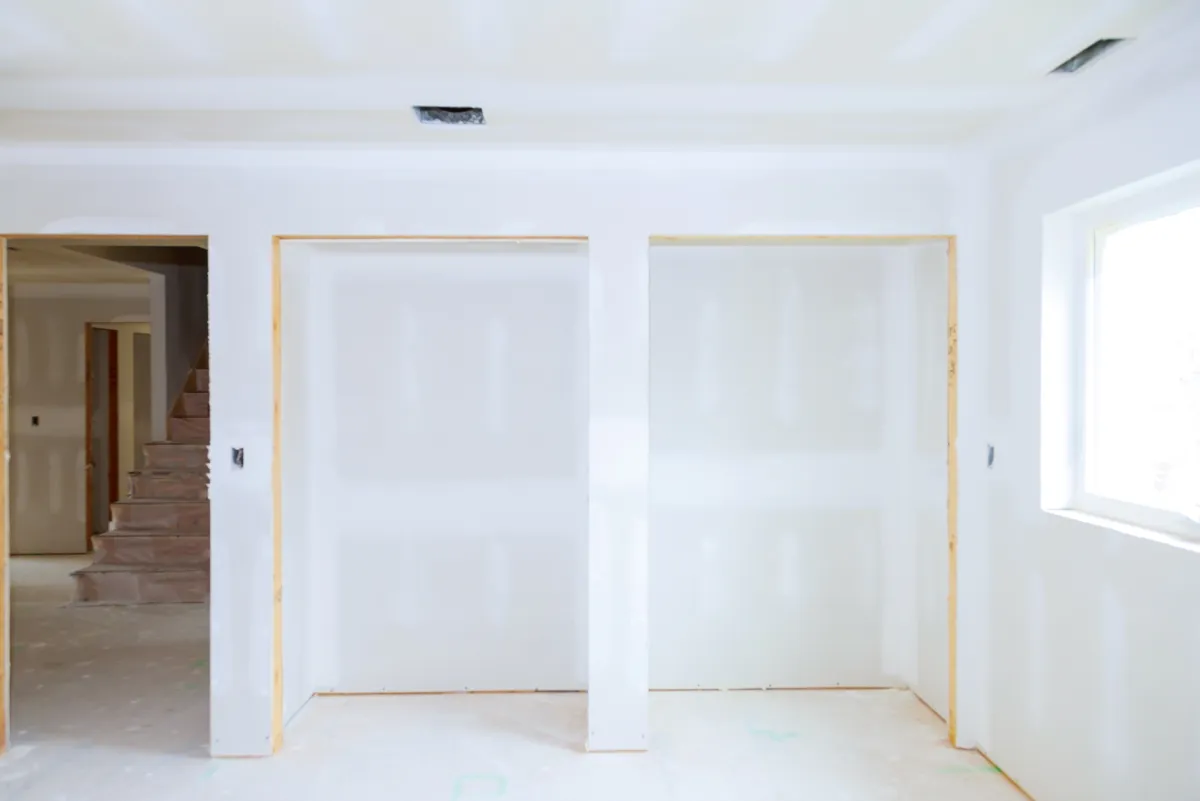
When people search for industrial specialty paint systems, they need advice grounded in local property reality. We account for building age, ventilation limits, traffic intensity, occupancy timing, and seasonal scheduling when setting the delivery plan.
We also make quote comparisons easier by defining what is included in prep, how finishes are validated, and what completion standards apply at handoff. That structure helps owners choose confidently among providers offering high durability coating contractors.
Our recommendations align with recognized guidance for indoor air quality, safe work practices, and maintenance planning. See Health Canada indoor VOC guidance, Ontario workplace safety requirements, and CMHC home maintenance guidance.
If you are planning specialty coatings and want a scope-first quote, use our contact page. We provide practical options, clear pricing logic, and measurable quality checkpoints.
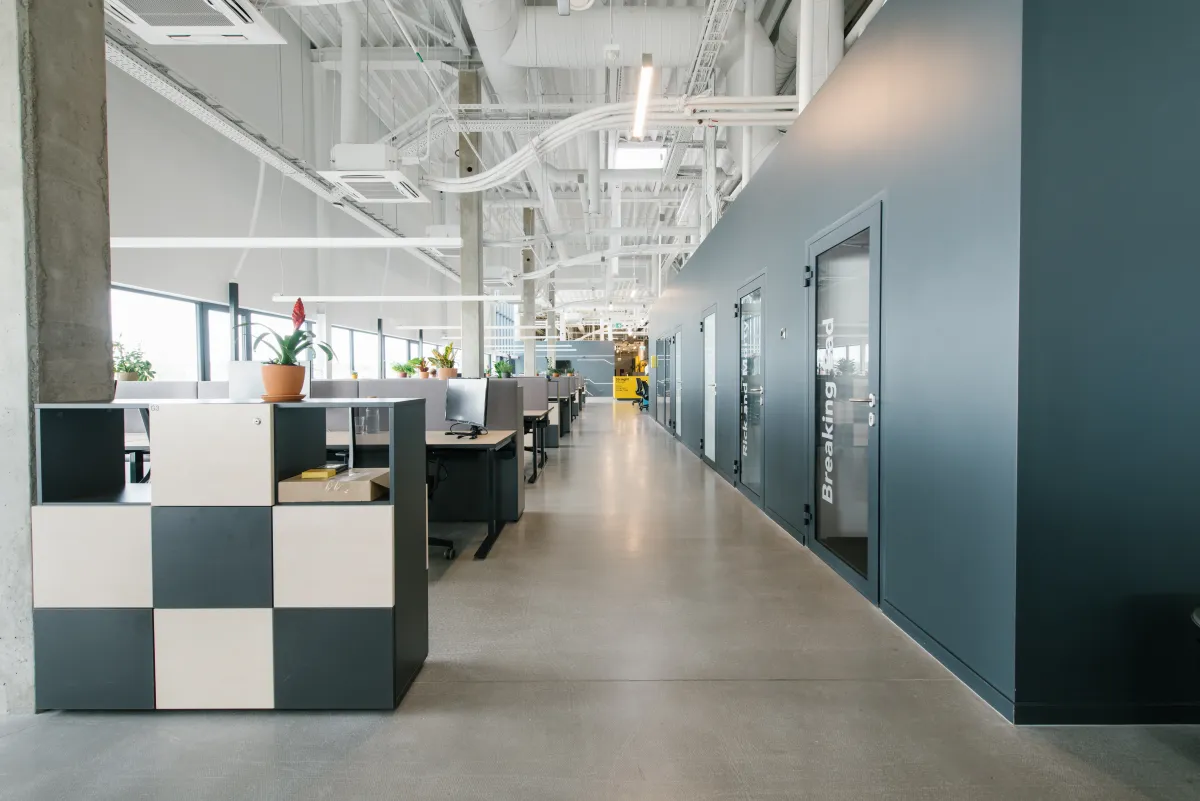
Specialty coatings Toronto properties require are not simply premium versions of standard paint. They are engineered systems built to perform under specific mechanical, chemical, or environmental demands that ordinary coatings cannot meet. Understanding when your facility genuinely needs a specialty system, versus a high-quality standard finish, is the first decision that determines project value.
Industrial floors in Etobicoke manufacturing plants that bear forklift traffic, chemical splash zones in Mississauga processing facilities, and parking decks in downtown Toronto garages exposed to road salt, freeze-thaw cycles, and vehicle oil all face stresses that standard latex or alkyd coatings were never designed to withstand. In these environments, deploying the right specialty system extends service life from one to three years (standard paint cycle) to ten to twenty years (proper coating system), dramatically reducing lifecycle maintenance costs.
The selection process for protective coating services GTA professionals recommend starts with substrate analysis: concrete porosity, steel profile, existing coating adhesion, and pH readings all influence which primer and topcoat systems bond correctly and perform as specified. Skipping this step is the most common cause of premature coating failure.
| System | Best For | Service Life |
|---|---|---|
| 100% Solids Epoxy | Industrial floors, heavy traffic | 15–20 years |
| Intumescent | Structural steel fire protection | 20–30 years |
| Chemical-Resistant Urethane | Labs, food processing, chemicals | 10–15 years |
| Anti-Graffiti | Transit, retail, public spaces | 7–12 years |
| Antimicrobial | Healthcare, food service | 8–12 years |
Ninety percent of specialty coating failures are attributed to inadequate surface preparation rather than product defects. This is why professional high durability coating contractors in the GTA prioritize prep as the most critical phase of any industrial coating project. For concrete substrates, achieving the correct surface profile (CSP 3–5 for thick-film epoxies) through diamond grinding, shot blasting, or scarifying determines whether the coating develops mechanical adhesion or delamination after curing.
Shot blasting or diamond grinding to achieve CSP 2–5 profile. Moisture vapor emission testing before application. Crack and joint repair with epoxy or polyurethane systems. pH testing to prevent coating saponification on fresh concrete.
SSPC-SP 6 commercial blast or SSPC-SP 10 near-white blast cleaning for corrosive environments. Proper anchor profile (1.5–3.0 mil) for primer adhesion. Immediate priming to prevent flash rusting on GTA job sites subject to humidity changes.
Adhesion pull tests to assess existing coating integrity. Compatibility testing between old and new systems. Localized blast or grind of failing areas. Bond coat application where intercoat compatibility requires additional priming to prevent delamination.
Understanding pricing for industrial specialty paint systems requires looking beyond material costs to total applied cost, which factors in substrate preparation, application labour, cure time, facility downtime, and system longevity. A $3/sq ft standard epoxy system that requires reapplication every three years has a higher lifecycle cost than a $12/sq ft polyaspartic system lasting fifteen years.
Typical GTA commercial and industrial coating project ranges include: basic epoxy floor coatings from $4–8 per sq ft applied; high-build chemical-resistant urethane from $8–18 per sq ft; fire-resistive intumescent coatings from $15–40 per sq ft depending on fire rating requirements; and anti-graffiti facade systems from $3–7 per sq ft including primer. Parking structure deck coatings with traffic membranes run $6–14 per sq ft.
Project timelines depend heavily on cure schedules: standard epoxy systems allow light foot traffic at 24 hours and full vehicle traffic at 72 hours; 100% solids systems may return floors to service faster. Facility downtime planning is part of our pre-project scoping conversation with every owner and facility manager. Connect with us through our contact page to discuss your application requirements.

Selecting the right professional specialty painters in Toronto involves assessing technical credentials, product access, and the quality of their scoping process. Contractors who default immediately to price competition without asking about substrate conditions, traffic exposure, chemical contact, or maintenance expectations are signalling they will apply a generic system that may not match your facility's actual demands.
GTA Paint approaches every specialty coatings Toronto project with full technical documentation: product data sheets, surface profile confirmations, DFT measurements at key checkpoints, and a final inspection report. Explore our commercial services page and epoxy flooring for related high-performance coating solutions.
Specialty coating systems represent a significant investment in your facility's longevity, and proper maintenance after installation is essential to achieving the full service life these systems are engineered to deliver. Unlike standard paint, many specialty coatings require specific cleaning protocols, periodic inspection schedules, and targeted spot repairs before minor damage progresses to full coating failure.
Epoxy and urethane floor systems in high-traffic Toronto commercial properties should be inspected annually for edge delamination, surface abrasion penetrating to substrate, and crack formation at expansion joints. Early intervention on minor damage, spot repair and re-topcoating of affected zones, extends system life at a fraction of full reapplication cost. We offer annual maintenance inspection agreements for commercial and industrial clients.
Specialty coating systems require cleaning products compatible with the coating chemistry. Harsh solvents or highly alkaline cleaners can degrade certain urethane and epoxy topcoats, reducing gloss and surface integrity. We provide written care and cleaning specifications with every installed system so facility maintenance teams know exactly what products and methods are safe for use on their specific coating.
GTA Paint serves commercial and industrial clients throughout the Greater Toronto Area. For a technical consultation on your facility's coating requirements, visit our commercial services page, review our epoxy flooring offerings, or contact our team to discuss your project requirements and schedule a site assessment.
Anti corrosion coatings toronto applications are most commonly applied to structural steel, metal railings, stair stringers, parking garage columns, HVAC equipment, rooftop mechanical units, and any ferrous metal surface exposed to moisture or salt. Toronto's winter road salt and humid summers accelerate corrosion significantly on unprotected metal. We specify zinc-rich primers, epoxy mid-coats, and urethane topcoats as a complete corrosion protection system for exterior metal in Toronto's climate.
Specialty coatings require more rigorous surface preparation than standard paint because the performance claims of the coating depend on proper substrate adhesion. Epoxy coatings on concrete floors require shot blasting or diamond grinding to open the concrete profile and remove surface laitance. Steel surfaces for corrosion protection systems are typically abrasive blasted to an SA 2.5 or SA 3 cleanliness standard. Water-blasting at specified PSI levels is used for exterior masonry and concrete. We document surface preparation standards in all coating specifications and verify compliance before application begins.
High-performance industrial protective coatings toronto applied to properly prepared substrates typically last 10 to 20 years before recoating is required, depending on the exposure conditions and coating system specified. Epoxy floor coatings in low-traffic commercial settings last 7 to 15 years. Exterior corrosion protection systems on steel in harsh exposure conditions may require inspection every 5 to 7 years with spot maintenance. We provide maintenance inspection programs for clients with ongoing coating assets.
Yes. All specialty coatings projects receive a written coating specification identifying the product system, surface preparation standard, application method, minimum dry film thickness per coat, and total dry film thickness at completion. Product data sheets and safety data sheets for all materials are available on request. For projects requiring third-party inspection or owner-supplied coating specifications, we work within the provided documents and submit submittals for approval before starting.
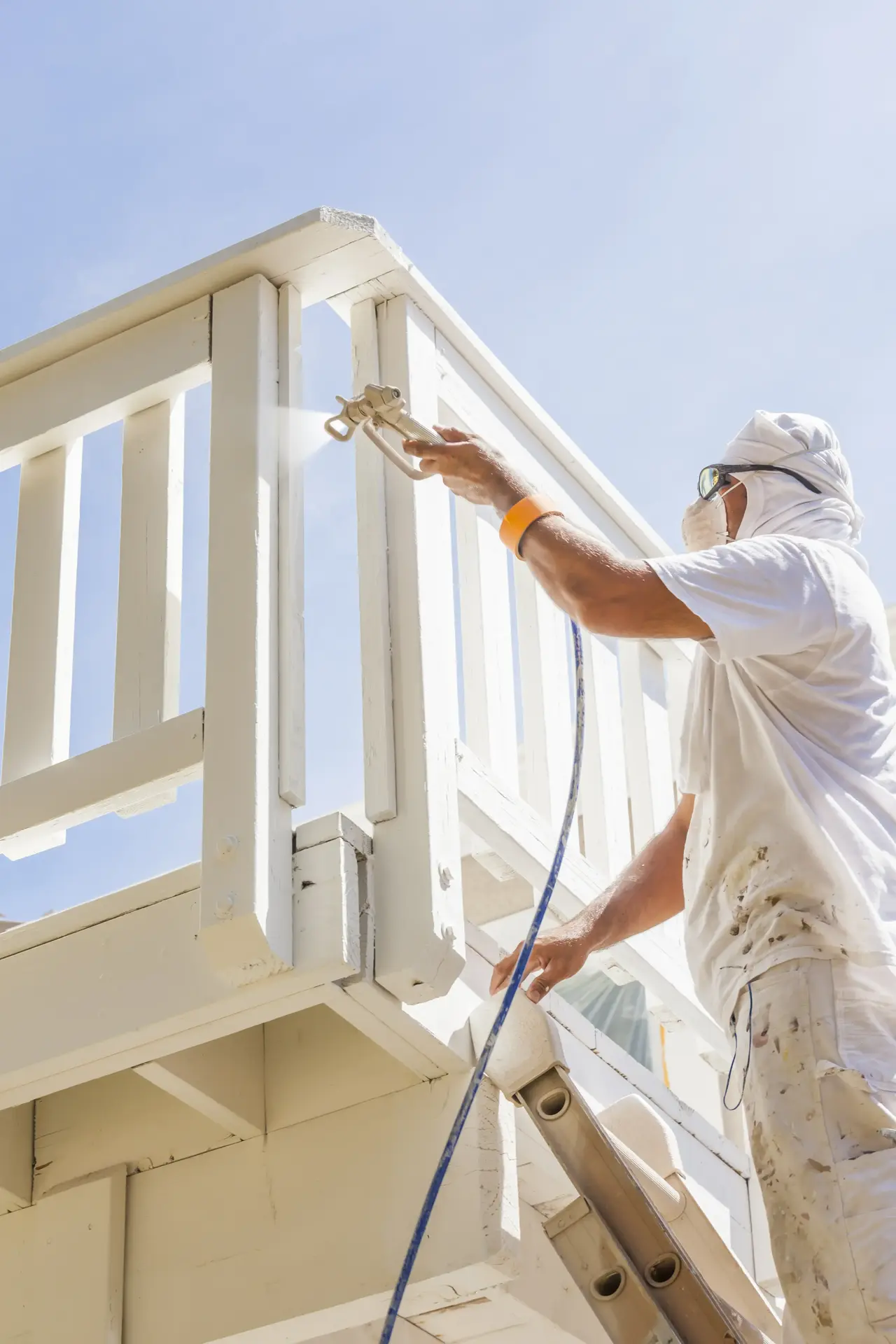
Not all surfaces in a home accept paint the same way. Melamine, staircase treads and risers, door jambs, and shoe trim moulding are surfaces where standard wall paint fails quickly — and where the right specialty coating makes the difference between a finish that lasts years versus one that chips within weeks.
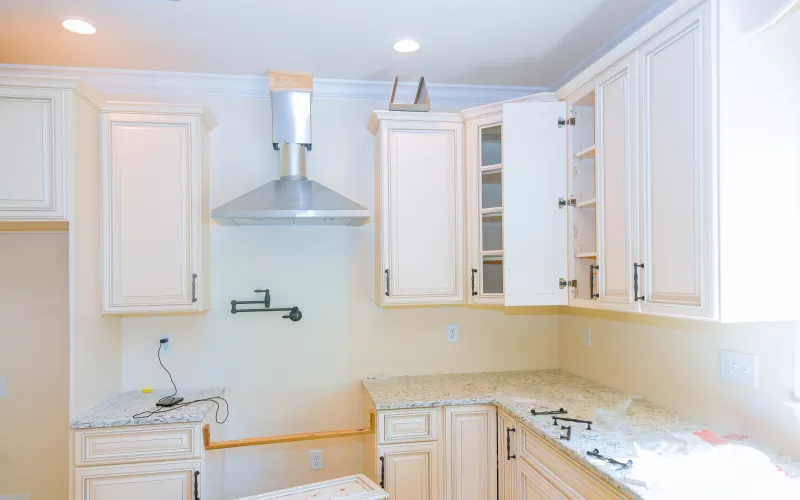
Paint melamine surfaces the wrong way and the paint peels within a season. Melamine is a thermally fused resin coating — it has no porosity and standard primers do not bond to it without specific preparation. Our process for melamine ensures long-term adhesion:
Melamine painting is a cost-effective alternative to replacing IKEA, builder-grade, or older kitchen cabinetry. Typical melamine cabinet repaint: $800–$2,500 depending on number of doors and drawers.
A staircase painted in a high-traffic Toronto home needs a coating system designed for impact resistance and cleanability. Stairs are the highest-traffic surface in the home — they need a harder finish than any other interior surface.
Treads (the horizontal step surface)
Must be painted with a floor enamel or porch & floor paint rated for foot traffic. We use Benjamin Moore Porch & Floor Enamel or SW Floor Paint. Satin or semi-gloss sheen for cleanability. Two-part epoxy for hardwood treads in high-traffic homes.
Risers (the vertical face)
Risers take less foot traffic but need to match or complement the tread finish. Typically painted semi-gloss white or the trim colour used throughout the home. Water-based alkyd recommended for durability.
Spindles and Newel Posts
Spindles are labour-intensive — each requires individual masking or spray application. We brush-apply enamel to wooden spindles for best coverage in tight angles. Metal spindles require etching primer before topcoat.
A door jamb is the vertical frame that a door closes against — the stop bead, side jamb, and head jamb. It is one of the most frequently touched surfaces in a home and takes direct impact from door edges, which makes coating system selection critical.
Shoe trim moulding (also called base shoe or quarter-round) is the small moulding that covers the gap where baseboard meets flooring. It's the last piece of trim in a room — and when it's painted crisply, the whole room looks finished. When it's scuffed, yellowed, or poorly cut in, it pulls the attention down to the floor for all the wrong reasons.
Paint or Replace?
Shoe moulding that is chipped, separated from the baseboard, or has gaps from floor movement is usually better replaced than painted — new primed MDF shoe moulding costs very little and eliminates the need to fill and sand defects. We typically replace and paint together as part of a full trim project.
Paint Specification
Shoe trim needs the same enamel specification as baseboards — semi-gloss water-based alkyd in white or the trim colour used throughout the floor. A steady hand or low-tack floor masking tape keeps the line clean at the flooring transition.
Melamine, staircase treads, door jambs, and trim moulding all fail quickly when painted with the wrong products or incorrect prep. We bring the right coating specification to every surface in your home — free quote, no obligation.
Our specialty coatings specialists are ready to give you a free, no-obligation quote. Most projects are quoted within 24 hours.
Prefer to talk? Call us now:
(905) 770-0986Get started today
Plan your next project with linked services and city-specific expertise pages.
Complete wall, ceiling, trim, and detail painting for homes and condos.
Weather-resistant systems for siding, stucco, trim, decks, and fences.
Professional painting for offices, retail, healthcare, and industrial spaces.
City-wide painting crews for downtown and neighborhood properties.
Fast scheduling and consistent quality across residential and commercial jobs.
Detailed prep and premium finishes for high-value GTA projects.
Get a detailed quote, timeline, and finish recommendations tailored to your property.
Professional painting services across Toronto and the GTA.
517 Richmond St. East, Suite #1006