Heritage Home Painting Guide for Toronto Properties
Toronto's historic homes, from Victorian home painting Toronto to Arts and Crafts architecture, require specialized painting approaches. Preserving historic character while ensuring modern performance demands expertise, proper materials, and deep respect for heritage. This guide addresses the unique challenges and best practices for painting Toronto's historic properties. Our heritage home painting experts understand the unique requirements of vintage properties and Toronto's heritage conservation framework.
Many historic homeowners also need specialized exterior painting to protect their homes while maintaining architectural integrity. Additionally, understanding local heritage regulations is crucial before beginning any restoration project to ensure full compliance with City of Toronto preservation guidelines.
For more information on heritage preservation standards, visit Toronto's official heritage preservation guidelines for comprehensive information on maintaining and restoring heritage properties.
Toronto Heritage Conservation Districts: What Homeowners Must Know
Toronto is home to more than 50 Heritage Conservation Districts (HCDs) under Part V of the Ontario Heritage Act. If your property falls within one of these designated areas, exterior changes, including paint colour and finish, may require approval from the City of Toronto before work begins. Failing to obtain the necessary permits can result in stop-work orders, fines, and mandatory restoration at the homeowner's expense.
Each Heritage Conservation District has its own Character Statement and guidelines, which describe the architectural features, materials, and colours considered appropriate for the area. GTA Paint's heritage specialists are familiar with the most common Toronto HCDs and can help you navigate the approval process before your project begins.
Cabbagetown (HCD)
One of the largest concentrations of Victorian-era residential architecture in North America. The Cabbagetown HCD guidelines emphasize preserving original brick, wood trim, and historically appropriate colour palettes. Painted brick requires Heritage Toronto consultation as it alters the character of the streetscape.
Common approved colours: Warm earth tones, deep greens, burgundy, cream, and ochre for trim.
Rosedale (HCD)
Rosedale's HCD guidelines favour restrained, sophisticated colour palettes consistent with the neighbourhood's Arts and Crafts, Georgian Revival, and Tudor Revival architectural traditions. Exterior trim and door colours are subject to design review for designated properties.
Common approved colours: Sage greens, slate blues, deep forest green, warm greys, and white with contrasting trim.
The Annex (HCD)
The Annex features a rich mix of Romanesque Revival and Victorian rowhouses built largely between 1880 and 1910. The HCD guidelines emphasize maintaining the red and buff brick character of the streetscape. For painted surfaces, doors, trim, and wooden elements, historically informed palettes are encouraged.
Common approved colours: Terracotta, deep red, olive, gold, and ivory for trim and doors.
Other Notable Toronto HCDs
- St. Lawrence Neighbourhood: Mixed commercial-residential with Georgian and Federal-style influences
- Wychwood Park: Arts and Crafts enclave with naturalistic colour traditions
- Kensington Market: Eclectic vernacular tradition with more flexibility in colour choices
- Regent Park: Post-war modernist housing with specific rehabilitation guidelines
- Bloor West Village: Commercial-residential streetscape with 1920s-1940s character
Even if your property is not in a designated HCD but is individually listed on the City of Toronto Heritage Register, some exterior alterations may trigger a Heritage Impact Assessment (HIA). Always consult with a heritage-experienced contractor like GTA Paint before proceeding, and confirm your requirements at Toronto Heritage Preservation Services.
Lead Paint Safety in Toronto Heritage Homes
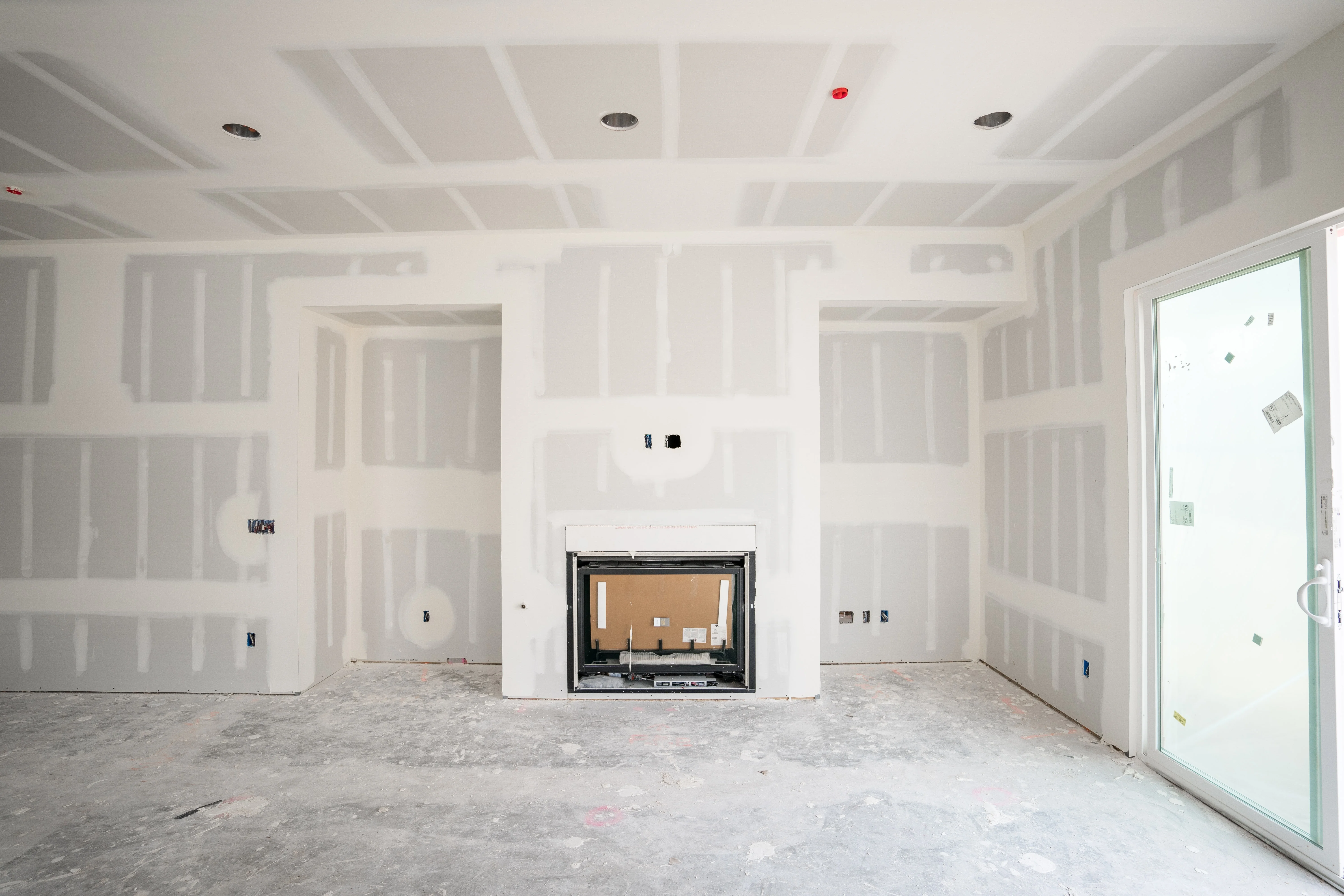
Lead-based paint was widely used in Canadian homes until 1976, when Health Canada began phasing it out of residential products. Homes built before this date, which includes the vast majority of Toronto's heritage properties, must be treated with the assumption that lead paint is present on one or more surfaces until confirmed otherwise.
Lead paint is not inherently dangerous when intact and undisturbed. The hazard arises during disturbance: sanding, scraping, heat application, or power washing. These activities generate lead dust and paint chips that pose serious health risks, particularly to children under six and pregnant women. Neurological damage from lead exposure is irreversible.
Lead Paint Testing: Your First Step
Before any preparation work begins on a heritage home built before 1980, GTA Paint recommends professional lead testing. Options include:
- XRF Testing (X-Ray Fluorescence): The gold standard, non-destructive, fast, and accurate. Performed by a certified inspector using a handheld device that reads lead content through multiple paint layers without damage to the surface.
- Swab Testing Kits: Available from hardware stores and online. Useful for a quick preliminary screen, but prone to false negatives on layered paint systems. Should be confirmed with XRF testing before proceeding.
- Laboratory Paint Chip Analysis: A small chip of paint is sent to an accredited lab. Results take 5–10 days but provide highly accurate lead concentration levels.
Health Canada Guidelines for Lead-Safe Work
Health Canada's residential lead paint guidelines require that any renovation disturbing more than one square metre of lead-containing material must follow the Renovation, Repair, and Painting (RRP) Protocol. Key requirements include:
- Containment of the work area with plastic sheeting to prevent lead dust migration
- Prohibition of dry sanding, dry scraping, and heat guns operating above 500°C on lead paint surfaces
- HEPA vacuum equipment for dust collection
- Wet methods for surface preparation to minimize airborne particles
- Proper disposal of lead-contaminated waste in accordance with Ontario environmental regulations
- Protective equipment including N100 respirators, disposable coveralls, and gloves for all workers
Contractor Certification and Accountability
When hiring a painter for a heritage home in Toronto, confirm the following:
- Workers have completed lead-safe work practice training recognized by Health Canada or a provincial health authority
- The contractor carries adequate general liability insurance and WSIB coverage in Ontario
- The contractor can provide a written lead-safe work plan before starting preparation activities
- Post-work cleaning verification is included in the scope, the work area should be tested for residual lead dust before occupancy resumes
GTA Paint's heritage team follows Health Canada's lead-safe guidelines on every pre-1976 property we service in Toronto and the GTA.
Period-Accurate Paint Colours for Toronto Heritage Homes
Selecting authentic period colours is one of the most rewarding aspects of heritage home restoration, and one of the most complex. Colour fashions in the 19th and early 20th centuries were influenced by mineral pigment availability, natural dye traditions, social class signalling, and the prevailing aesthetic movements of each decade.
Toronto's heritage housing stock spans several distinct architectural eras, each with its own characteristic palette. Understanding which era your home represents will guide appropriate colour selection and help satisfy Heritage Conservation District review requirements where applicable.
Victorian Era (1840–1900)
Toronto's Victorian homes, particularly in Cabbagetown, the Annex, and Riverdale, were built during the high-Victorian fashion for rich, layered colour. The Gothic Revival, Italianate, and Second Empire styles that characterize much of this stock called for three to five exterior colours: a body colour, a lighter field colour, a contrasting trim, an accent for decorative woodwork, and a door colour. Common Victorian exterior palettes included:
- Body: Deep ochre, olive, sage green, warm terracotta, or grey-brown
- Trim: Cream, ivory, warm white, or stone grey
- Accent: Deep burgundy, forest green, navy, or black for decorative brackets and millwork
- Door: Glossy black, rich red, deep green, or polished wood tones
Edwardian Era (1900–1914)
The Edwardian aesthetic reacted against Victorian excess, favouring lighter, more refined palettes. Arts and Crafts influences brought natural, earthy tones inspired by the English countryside. Toronto homes from this period in Rosedale, Forest Hill, and Wychwood Park typically featured:
- Body: Warm stucco white, cream, pale gold, or light sage
- Trim: White or off-white to contrast brick or stucco body
- Accents: Deep green, brown, or muted burgundy for shutters and doors
- Interior: Warm yellows, soft greens, and terracotta for formal rooms; calming blues and sage for bedrooms
Interwar Period (1920s–1940s)
Toronto's interwar bungalows and semi-detached homes reflect the influence of the American Four-Square, English Cottage, and early Moderne movements. Palettes from this era tend toward softer, more restrained tones reflecting post-WWI austerity and the emerging middle-class suburban ideal.
- Body: Warm beige, buff, clay, dusty rose, or grey-green
- Trim: White, cream, or light grey
- Doors: Medium blue, forest green, dark red, or warm brown
- Interior: Pale yellow, warm cream, light green, and powder blue, practical colours suited to the smaller rooms of bungalow plans
Colour Reference Table by Era
| Era | Typical Colours | Popular Combinations | Modern Equivalent Brands |
|---|---|---|---|
| Victorian (1840–1900) | Ochre, olive, sage, terracotta, deep burgundy, cream | Olive body + cream trim + burgundy accents; Terracotta + ivory + black | Benjamin Moore Historical Collection; Sherwin-Williams Emerald Heritage; Farrow & Ball |
| Edwardian (1900–1914) | Warm white, cream, pale gold, sage, deep green, muted burgundy | Cream body + white trim + deep green shutters; Pale gold + white + brown | Benjamin Moore Aura; Farrow & Ball; Dulux Heritage |
| Interwar (1920s–1940s) | Buff, clay, dusty rose, grey-green, warm beige, powder blue | Buff body + white trim + forest green door; Clay + cream + dark red door | Benjamin Moore Historical; Sherwin-Williams Timeless; CIL Heritage Colours |
| Post-War (1945–1960) | Aqua, pink, pale yellow, grey, coral, mint green | Aqua + white trim + coral accents; Grey body + white + black door | Benjamin Moore Classics; Sherwin-Williams ColorSnap; Dulux Retro |
Historic Home Painting Challenges
Key Challenges Unique to Toronto Heritage Properties
- Lead Paint: Pre-1976 homes commonly contain lead-based paint requiring certified abatement procedures
- Delicate Original Surfaces: Wood siding, millwork, and masonry from the 19th and early 20th centuries require gentle, non-abrasive preparation
- Heritage Colour Accuracy: Maintaining historically appropriate colour palettes while satisfying modern durability requirements
- Regulatory Compliance: Heritage designation or HCD location may require City of Toronto approval before exterior changes
- Moisture Management: Older wood-framed and masonry structures have unique hygroscopic properties requiring breathable paint formulations
- Substrate Compatibility: Multiple layers of incompatible paint systems over decades can cause adhesion failures if not properly addressed
Specialized Techniques for Heritage Properties
- Minimal Intervention Preparation: Spot-scrape and feather-sand only areas of active peeling or flaking rather than full-surface stripping, which can damage original substrates
- Breathable Paint Formulations: Use mineral-silicate, lime-wash, or high-quality latex paints with appropriate moisture vapour transmission for masonry and older wood substrates
- Period-Accurate Colour Research: Cross-reference paint chips with historic photographs, Heritage Toronto records, and period paint manufacturer archives for accurate colour matching
- Gentle Cleaning Methods: Low-pressure washing (under 500 PSI) and soft-bristle brush cleaning rather than power washing that can force water behind cladding
- Hand Application Techniques: Brush application for intricate millwork, cornices, and decorative elements preserves detail and ensures proper paint penetration into fine profiles
- Period-Appropriate Primers: Oil-based primers on bare wood and spot repairs ensure long-term adhesion before topcoating with modern acrylic latex
- Caulking with Compatible Materials: Paintable silicone or siliconized acrylic caulking at joints, never non-paintable silicone, which cannot hold period-appropriate topcoats
Preserve Your Historic Toronto Home
GTA Paint has extensive experience with Toronto's heritage homes across Cabbagetown, The Annex, Rosedale, Riverdale, and throughout the GTA. We understand heritage regulations, lead-safe work requirements, and period-accurate colour selection. Contact us to discuss your heritage painting project with an expert who respects your home's history.