
Best Seasons for Exterior Painting in Toronto
February 6, 2026 • 7 min read
Table of Contents
- Season-by-Season Breakdown
- Spring Painting (April-May)
- Summer Painting (June-August)
- Fall Painting (September-October)
- Winter Painting Considerations
- Temperature and Humidity Requirements
- How to Prepare Exteriors Before Painting Each Season
- Weather Factors to Consider
- Professional Tips for Toronto Exterior Painting
Planning exterior painting for your Toronto home requires careful consideration of weather patterns and seasonal conditions. Toronto's unique climate presents specific challenges and opportunities for achieving the best painting results. Understanding the optimal seasons for exterior painting will help ensure your project's success and longevity. Our exterior painting experts can help you plan the perfect timing.
Fall is ideal for exterior painting, but other seasons offer opportunities as well. While exterior painting has optimal windows, interior painting can transform your home during any season.
For detailed weather planning tools, visit The Weather Network's Toronto page for accurate forecasts and long-term predictions.
Season-by-Season Breakdown for Toronto Exterior Painting
The following table summarizes how each season performs for exterior painting in the Greater Toronto Area, based on typical climate data and professional field experience:
| Season | Pros | Cons | Temp Range | Ideal For |
|---|---|---|---|---|
| Spring (Apr–May) | Moderate temps, low humidity, surfaces dry from winter | Spring rain risk, pollen, unpredictable cold snaps | 8–18°C | Full exterior repaints, siding, trim |
| Summer (Jun–Aug) | Long days, high demand booking flexibility, fast drying | Heat causes rapid dry, uneven finish, high humidity | 20–34°C | Early morning work, shaded surfaces, decks |
| Fall (Sep–Oct) | Best overall conditions: stable temp, low humidity, less rain | Shorter days, frost risk after mid-October | 8–20°C | Full exterior repaints, optimal cure time |
| Winter (Nov–Mar) | Lower contractor demand, easier scheduling | Freezing temps prevent proper curing, snow, ice | -15–5°C | Not recommended, interior painting only |
Spring Painting in Toronto (April-May)
Best Time for Spring Painting
- Optimal Temperature: 10-20°C (50-68°F)
- Ideal Humidity: Below 70%
- Best Months: Late April through May
Advantages of Spring Painting
Spring offers excellent painting conditions in Toronto after the harsh winter months. Temperatures are moderate, and humidity levels are typically lower than summer months. This combination allows paint to dry and cure properly, resulting in better adhesion and longer-lasting finishes.
Spring Painting Considerations
- Wait for ground to thaw completely
- Ensure surfaces are fully dry from winter moisture
- Watch for spring rain forecasts
- Allow adequate time for surface preparation
- Consider pollen levels for exterior work
Summer Painting in Toronto (June-August)
Summer Painting Challenges
- Hot Temperatures: Can cause rapid drying, leading to uneven finishes
- High Humidity: Common in Toronto summers, can slow drying
- Heat Islands: Urban areas can be significantly hotter
Early Summer Strategy
Early summer (June) often provides the best painting conditions. While temperatures are warm, they haven't reached peak heat. Professional painters often prefer early morning or late afternoon work during peak summer months to avoid the hottest hours.
Summer Painting Tips
- Paint during cooler hours (before 10 AM or after 4 PM)
- Avoid direct sun exposure on surfaces being painted
- Use paints formulated for high-temperature application
- Work in smaller sections to control drying time
- Ensure proper ventilation and airflow
Fall Painting in Toronto (September-October)
Prime Painting Season
- Stable Temperatures: Consistent moderate weather
- Lower Humidity: Ideal drying conditions
- Longer Daylight: Extended working hours
Why Fall is Often Best
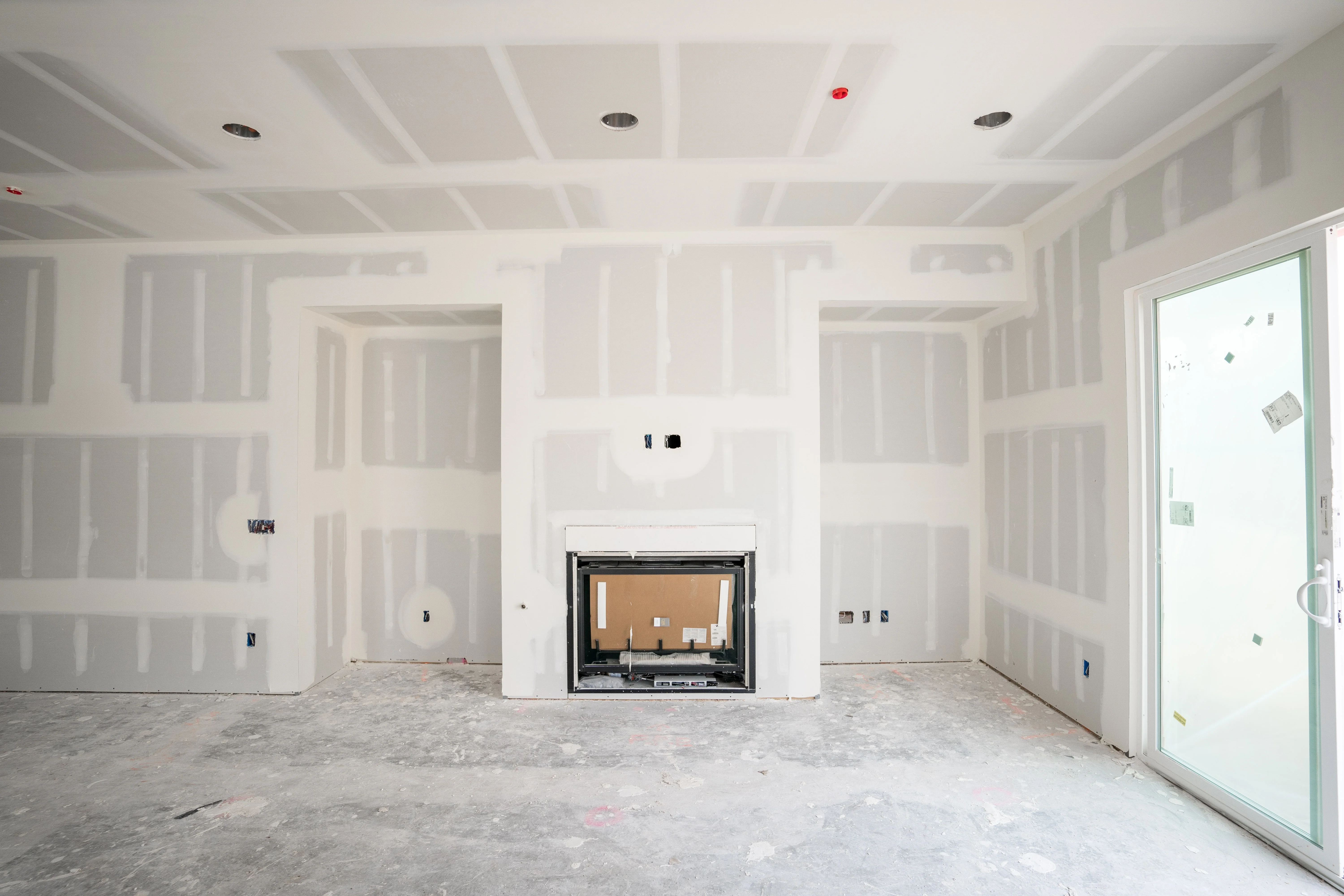
Fall is widely considered the best season for exterior painting in Toronto. Temperatures are consistently mild, humidity levels are lower, and rainfall is less frequent than spring. These conditions create the perfect environment for paint to dry and cure properly, resulting in the highest quality finishes.
Fall Painting Timeline
- September: Peak conditions, book professionals early
- Early October: Still excellent painting weather
- Late October: Watch for frost warnings
- November: Generally too cold for exterior painting
Winter Painting in Toronto
Generally Not Recommended
- Freezing Temperatures: Paint cannot dry properly
- Snow and Ice: Prevents surface preparation
- Short Daylight: Limited working time
Winter Exceptions
Most exterior paint manufacturers require minimum temperatures of 5°C (41°F) for proper application and curing. Toronto's winter temperatures consistently fall below this threshold, making exterior painting impractical and potentially damaging to paint quality.
Winter Alternative: Interior Projects
- Focus on interior painting during winter months
- Plan exterior projects for spring or fall
- Use winter for repairs and preparation
- Book professionals early for spring season
Temperature and Humidity Requirements for Toronto Exterior Paint
Understanding the specific temperature and humidity thresholds for exterior paint application in Toronto is critical to project success. These are not general guidelines, they are the minimum technical requirements imposed by paint chemistry, and violating them leads to guaranteed paint failure.
Temperature Requirements
- Minimum air temperature: 10°C (50°F) during application and for 4 hours after
- Maximum air temperature: 30°C (86°F), above this, rapid drying causes lap marks and poor adhesion
- Surface temperature: Must be at least 3°C above dew point to prevent condensation under the paint film
- Overnight low: Should not drop below 5°C for the first 48 hours after application
Humidity Requirements
- Ideal relative humidity: 40–70%
- Maximum relative humidity: 85%, above this, water-based paints will not cure properly
- Dew point monitoring: Essential in spring and fall when overnight temperatures drop sharply
- Post-rain waiting period: Minimum 24 hours after rainfall before painting wood or masonry
Toronto-Specific Notes
Toronto's Lake Ontario proximity creates unique microclimatic conditions that can make local humidity and dew point behave differently than nearby inland areas. On clear fall nights, surface temperatures on north-facing siding can drop below dew point even when air temperature is well above 10°C, creating invisible condensation that ruins newly applied paint. Experienced Toronto exterior painters check surface temperature with an infrared thermometer before starting and after lunch breaks, not just once at the beginning of the day.
Additionally, Toronto's urban heat island effect means that surfaces on south-facing walls of downtown properties can exceed 40°C on sunny summer afternoons even when air temperatures are only 28°C. Scheduling spray or brush work on these surfaces for early morning or after 5 PM is standard practice for professional GTA exterior painters.
How to Prepare Toronto Exteriors Before Painting Each Season
Surface preparation is the most critical factor in exterior paint durability, more important than the paint brand or the number of coats applied. The correct preparation steps vary by season because Toronto's climate leaves different residues and damage patterns on exterior surfaces depending on the time of year.
Spring Preparation
After Toronto's winter, exterior surfaces accumulate road salt residue, efflorescence on brick and concrete, mould growth from trapped moisture under snow, and frost-heaved caulking. Spring prep must address all of these before any primer or paint is applied.
- Pressure wash entire exterior at 2,000–3,000 PSI to remove salt, dirt, mould, and loose paint
- Allow minimum 3–5 dry days before priming to ensure wood moisture content is below 15%
- Replace all cracked or failed caulking, freeze-thaw cycles destroy caulk at joints and window surrounds
- Scrape and sand all peeling paint back to a feathered edge, then spot prime bare wood
- Treat any mould growth with a bleach-and-water solution (1:3 ratio) and allow to dry completely
Summer Preparation
Summer surfaces are typically dry and often chalky from UV degradation of the previous paint coat. The main challenges are dealing with heat-softened existing paint and managing drying time.
- Check for chalk by rubbing gloved hand on the surface, if paint pigment transfers, a bonding primer is required before topcoating
- Wash with a cleaner to remove airborne pollutants, bird droppings, and insect residue common in summer
- Schedule pressure washing the day before painting, not the morning of, surfaces must be completely dry
- Inspect and treat all wood surfaces for insect damage (carpenter ants and wood borers are more active in summer)
Fall Preparation
Fall is the ideal prep season because surfaces have had a summer to thoroughly dry and organic growth slows down. The main concern is timing work before temperatures drop too low for curing.
- Clean gutters and downspouts before pressure washing the walls to prevent debris transfer onto freshly cleaned surfaces
- Pressure wash in early September to allow maximum dry time before October temperature drops
- Remove all leaf buildup from ledges, window sills, and horizontal trim pieces that trap moisture
- Re-caulk all penetrations, seal around electrical fixtures, hose bibs, and vent penetrations before winter
- Check for condensation risk each morning, fall dew points can be close to surface temperatures, especially on shaded north walls
Critical Weather Factors
Temperature
Ideal range: 10-25°C (50-77°F). Below 5°C, paint may not cure properly. Above 30°C, rapid drying can cause issues.
Humidity
Optimal: Below 70%. High humidity slows drying and can cause blistering or bubbling in paint films.
Rain
Paint must dry before rain exposure. Plan 24-48 hours of dry weather after application.
Wind
High winds cause overspray and debris. Avoid painting on windy days, especially with spray applications.
Professional Painting Tips for Toronto
Professional Recommendations
- Monitor Weather Forecast: Check 5-7 day forecasts before starting projects
- Test Surface Temperature: Use infrared thermometer to check actual surface temperature
- Follow Manufacturer Guidelines: Each paint has specific application requirements
- Prepare Thoroughly: Proper preparation accounts for 60% of project success
- Allow Proper Drying Time: Rushing the process compromises quality
Booking Tips
- Book fall painting projects in July or August
- Have backup dates in case of weather delays
- Work with experienced Toronto painters who understand local climate
- Factor in weather delays in project timelines
Ready to Schedule Your Exterior Painting?
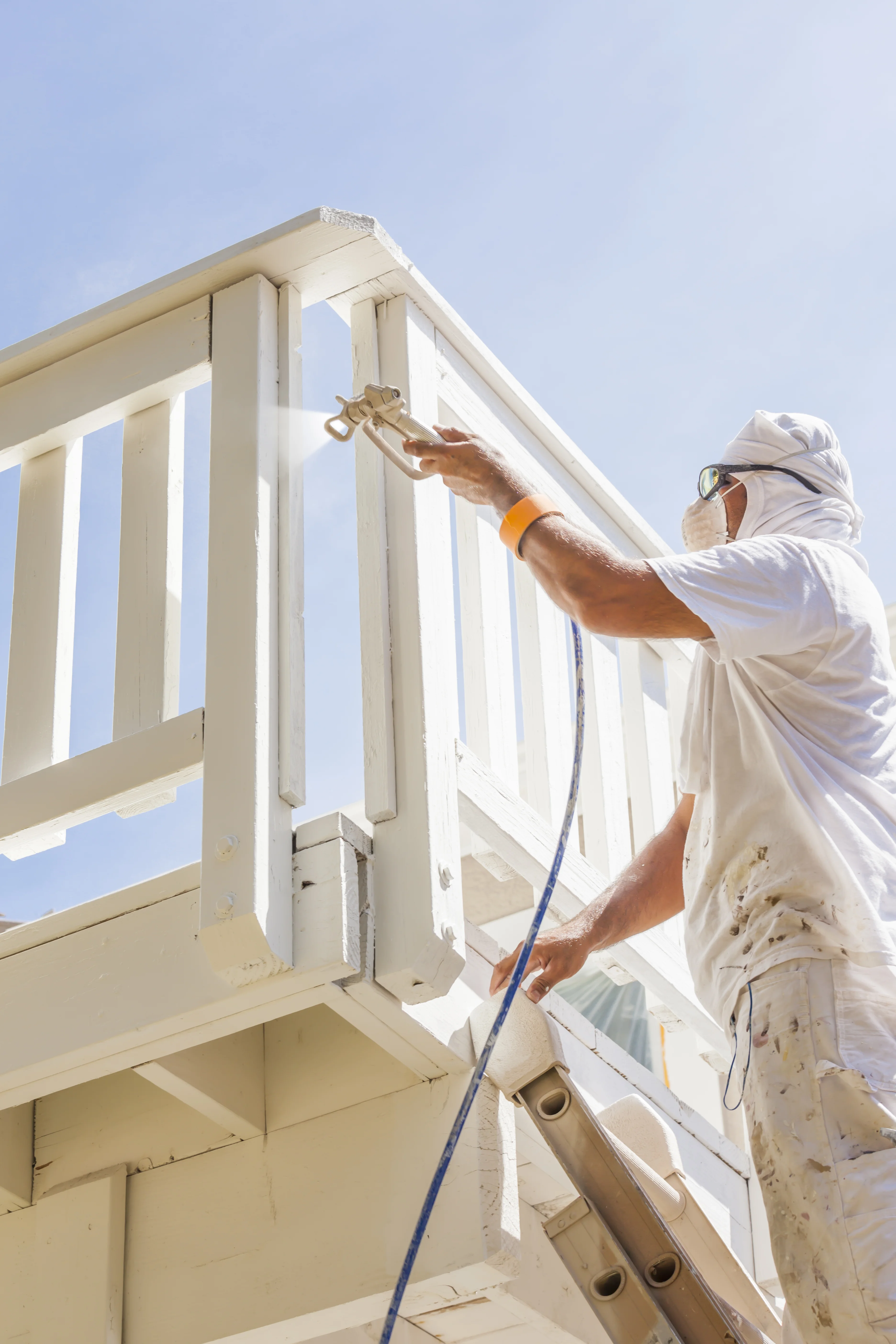
Toronto's best exterior painting season is fall (September-October), followed closely by late spring (April-May). Contact GTA Paint today to discuss your project and secure your spot in our upcoming schedule.
Related Articles
2024 Paint Color Trends for Toronto Homes
Discover the hottest colours transforming Toronto homes this year.
Complete Guide to Bathroom Painting
Everything you need to know about painting bathrooms in Toronto's climate.

Toronto Painting Cost Guide
Complete breakdown of painting costs in Toronto.