Seasonal Painting Tips for Toronto Homeowners
Toronto's diverse climate presents unique challenges and opportunities for home painting projects throughout the year. Understanding the seasonal patterns and weather conditions can help you achieve the best results and protect your painting investment. This comprehensive guide will help you plan your painting projects in every season. Our seasonal painting experts understand Toronto's unique weather patterns and climate nuances.
Planning exterior painting requires careful timing, exterior painting seasons vary based on temperature and humidity. For winter projects, interior painting can transform your home while you wait for warmer weather to return.
For detailed weather planning, visit Environment Canada's weather service for accurate forecasts and planning tools.
Season-by-Season Painting Breakdown
The following table summarizes the key considerations for each season in Toronto to help homeowners plan their painting projects with confidence.
| Season | Best Painting Type | Ideal Conditions | What to Avoid | Pro Tips for Toronto |
|---|---|---|---|---|
| Spring (Apr–Jun) | Exterior and interior | 10–20°C, humidity below 70%, no rain forecast for 24 hrs | Painting too early after frost; windy days for exterior | Book early, spring is peak season and GTA contractors fill up fast; power wash and prime before painting |
| Summer (Jul–Aug) | Exterior (early morning); interior | Before 10 AM or after 5 PM, surface temp below 35°C | Painting in direct sun, high heat above 30°C, high humidity | Follow the shade around the house; use AC for interiors to control humidity during application |
| Fall (Sep–Oct) | Exterior (September ideal); interior | 10–15°C, stable dry weather, no overnight frost risk | Late October exterior work, frost risk and early dark limit workable hours | September is often the best single month for Toronto exterior painting, less humid than summer, warmer than late fall |
| Winter (Nov–Mar) | Interior only | Indoor temp 20–22°C, humidity 40–60%, adequate ventilation | Any exterior painting; painting near exterior walls on very cold days without allowing extra dry time | Best time to upgrade interiors, contractors more available and often offer off-season pricing |
Toronto Weather Patterns and How They Affect Paint
Toronto's climate is classified as humid continental, meaning hot, humid summers and cold winters with significant seasonal variation. Understanding the specific weather mechanisms that affect paint performance in the GTA helps homeowners make better decisions about timing and product selection.
Lake Ontario's Effect on Toronto Weather
Proximity to Lake Ontario moderates Toronto's temperature extremes compared to inland GTA communities, but it also introduces lake-effect humidity that affects paint drying times and adhesion windows. Coastal areas of Toronto, the Beaches, Etobicoke Lakeshore, and downtown, consistently record higher relative humidity than northern suburbs like Vaughan, Aurora, or Markham.
- Allow 25–30% extra drying time for exterior work in lakeshore neighbourhoods
- Monitor humidity levels closely, use a digital hygrometer before starting
- Consider moisture-resistant paint formulations for lakefront properties
- Avoid painting on days when lake winds are strong, wind drying accelerates too quickly and creates lap marks
Urban Heat Island Effect
Downtown Toronto can be 2–4°C warmer than surrounding areas due to the urban heat island effect, dark roofs, concrete, and asphalt absorbing and radiating heat. This affects both the application window and the performance of exterior paint on sun-exposed surfaces.
- Earlier start times required in summer for downtown properties, surfaces overheat quickly
- Extended painting season in downtown core, frost arrives later than in north GTA suburbs
- Monitor surface temperature with an infrared thermometer, target below 35°C for application
- Light-coloured exterior paints reflect heat better and are more durable in heat-island conditions
Spring Thaw and Freeze-Thaw Cycles
Toronto's spring thaw creates a critical window concern for exterior painting. Fluctuating above-zero daytime temperatures and below-zero overnight temperatures in March and April mean that freshly applied exterior paint can freeze before fully curing, leading to adhesion failure, cracking, and premature peeling.
- Wait until overnight temperatures are consistently above 5°C before starting any exterior work
- Check the 10-day forecast, not just the day of painting, for frost risk
- In early spring, paint only south and west-facing surfaces first, which warm up faster and stay above freezing longer
Summer Humidity and Thunderstorm Season
Toronto's July and August thunderstorm season brings sudden, intense rainfall that can arrive with little warning. Exterior paint applied earlier in the day can be damaged if a storm arrives before the paint has cured, typically a minimum of 4 hours for latex and 24 hours for oil-based products.
- Check the hourly forecast, not just the daily forecast, before starting exterior summer work
- Have tarps ready to protect freshly painted surfaces from unexpected rain
- Schedule summer exterior work for the morning hours when afternoon storm risk is highest

Year-Round Painting Checklist for Toronto Homeowners
A proactive approach to home painting maintenance, rather than waiting until surfaces are visibly deteriorating, delivers significantly better long-term results and lower total cost. The following checklist helps Toronto homeowners stay ahead of paint maintenance requirements throughout the year.
Spring Checklist (March – May)
- Inspect all exterior surfaces for winter paint damage, cracking, peeling, blistering, and moisture staining
- Check caulking around windows, doors, and trim, reapply anywhere that has cracked, shrunk, or separated
- Clean exterior surfaces with low-pressure washing to remove winter salt, dirt, and biological growth
- Assess the condition of the deck, fence, and outbuildings, early scheduling avoids the summer rush
- Book your contractor early, GTA exterior painting contractors are typically booked 6–10 weeks out by May
- Order colour samples and test patches on exterior surfaces to evaluate in changing spring light conditions
Summer Checklist (June – August)
- Execute exterior painting projects during early morning hours before heat and humidity peak
- Focus on north-facing exterior walls in July and August, they receive less direct sun and are safer to paint in summer heat
- Complete any deck or fence staining projects, warm weather accelerates penetrating stain absorption
- Use summer as an opportunity for interior painting when outdoor conditions are unfavourable, keep AC running to maintain a stable environment
- Touch up any peeled or chipped exterior areas promptly before summer moisture gets behind the paint film
Fall Checklist (September – October)
- Complete any remaining exterior work by early October, September is the last reliable month in most GTA locations
- Apply exterior caulking and sealants before freezing temperatures compromise their ability to cure properly
- Inspect and touch up window and door trim before winter moisture begins to exploit any gaps
- Begin planning interior painting projects for winter, use the fall to finalize colour decisions and schedule contractors
- Treat and stain exposed wood decks and fences before freeze-thaw cycling causes additional moisture damage
- Clean and store outdoor paint equipment properly, frozen paint canisters are wasted inventory
Winter Checklist (November – March)
- Execute interior painting projects, this is the optimal time for bedrooms, living rooms, and basement renovations
- Maintain home temperature at 20–22°C during and 48 hours after interior painting for proper cure
- Use low-VOC paints and ensure adequate ventilation, cracking windows slightly when outdoor temperature permits
- Plan and finalize your spring exterior painting scope and colour selections
- Order exterior colour samples and evaluate them indoors under artificial light, not the same as spring natural light, but useful for narrowing choices
- Obtain competitive quotes from GTA contractors, winter is when contractors have more availability for detailed quoting conversations
Spring: The Prime Painting Season
Why Spring is Ideal for Painting
Spring (April to June) is the best season for both interior and exterior painting in Toronto. Moderate temperatures and lower humidity levels create perfect conditions for paint application and drying. Longer daylight hours extend the workable painting window, and the stable weather patterns of May and early June represent the most reliable exterior painting conditions of the entire year.
Spring Painting Advantages:
- Temperature Range: 10–20°C is optimal for most paint types, allowing proper flow, levelling, and curing
- Lower Humidity: Spring humidity levels of 40–60% are ideal, reduces drying time and prevents moisture problems
- Natural Ventilation: Open windows help with paint fumes and accelerate drying for interior projects
- Longer Days: More daylight hours in May and June extend productive painting time, especially important for large exterior projects
Summer: Challenges and Solutions
Summer Painting Considerations
Toronto summers (July to August) can be hot and humid, creating challenges for exterior painting that require careful management. Heat causes paint to dry too quickly on the surface while remaining wet underneath, resulting in poor adhesion and visible brush marks. However, with proper planning and technique adjustments, successful painting projects remain achievable throughout summer.
Summer Painting Tips:
- Early Morning Painting: Start exterior work before 10 AM when temperatures are below 25°C and surfaces are still shaded from direct sun
- Follow the Shade: Paint exterior surfaces when they are in shadow, east-facing walls in the afternoon, west-facing walls in the morning
- Humidity-Formulated Paints: Products with slower-drying additives (often marketed as humidity-tolerant) maintain a wet edge longer in hot conditions
- AC for Interiors: Use air conditioning to maintain humidity below 60% during interior painting for proper curing
Fall: Second Prime Season
Fall Painting Opportunities
Early fall (September to early October) offers an excellent second window for exterior painting in Toronto. The cooling temperatures bring conditions that rival spring, moderate heat, lower humidity than summer, and stable weather patterns that allow for reliable scheduling. September in particular is widely considered the best single month for Toronto exterior painting by professional contractors.
Fall Painting Benefits:
- Stable Temperatures: Consistent 10–18°C range in September and early October, close to ideal for most latex exterior paints
- Lower Humidity: Post-summer drop in ambient humidity creates similar advantages to late spring conditions
- Winter Preparation: Freshly sealed and painted exterior surfaces are better protected against Toronto's freeze-thaw cycles and road salt spray
- Contractor Availability: Slightly more availability than peak spring season, though still book 4–6 weeks ahead for September slots
Winter: Interior Focus
Winter Painting Projects
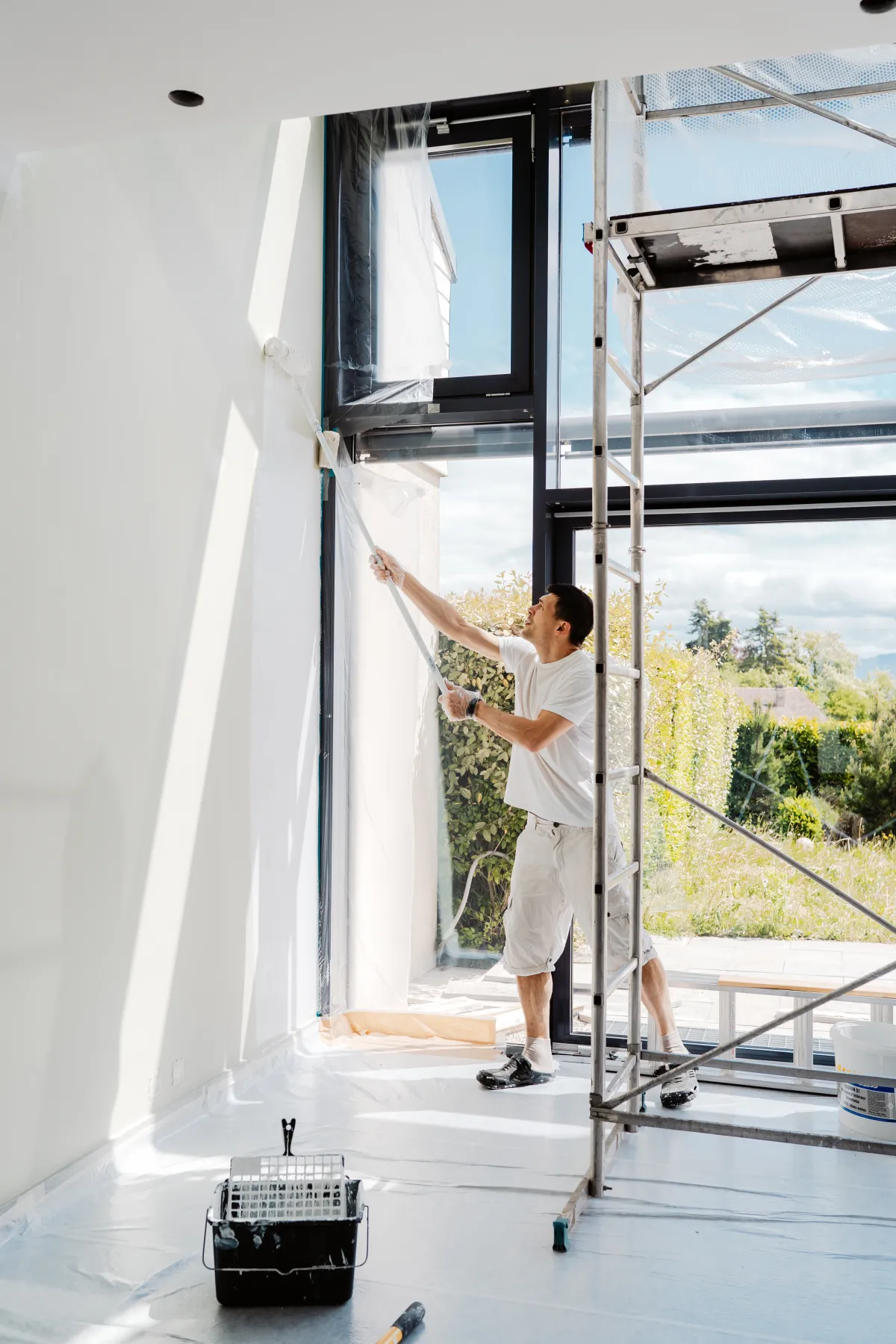
Toronto winters (November to March) are primarily suitable for interior painting projects. While exterior painting is not recommended due to cold temperatures, frost risk, and reduced daylight, winter can be an excellent time for interior updates. Contractors often have more availability, and homeowners have the time and motivation to plan significant interior renovations during the quieter winter months.
Winter Interior Painting Tips:
- Temperature Control: Maintain 20–22°C throughout painting and for 48 hours afterward to ensure proper drying and curing of latex paint
- Humidity Management: Toronto homes in winter often have very low indoor humidity from forced-air heating, too-dry air (below 30%) causes paint to dry faster than optimal, sometimes leaving brush and roller marks. Use a humidifier to maintain 40–50%.
- Ventilation: Use fans and open windows slightly when outdoor temperature permits, especially important for oil-based products or when painting in enclosed spaces
- Extended Drying Time Between Coats: Allow extra time between coats in winter, 4 hours minimum for latex, often 6 hours in very dry, heated environments
Toronto-Specific Considerations
Weather Monitoring for Toronto Projects
Always check the weather forecast before starting exterior projects. Look for:
- Temperature ranges (avoid below 5°C or above 30°C for exterior)
- Rain probability (no rain for 24–48 hours after exterior painting)
- Wind conditions (avoid gusty days, wind dries too fast and carries debris)
- Overnight lows, temperatures must stay above 5°C through the night after exterior painting
Material Selection for Toronto's Climate
Choose paints based on seasonal conditions and Toronto's specific climate challenges:
- Low-VOC and zero-VOC paints for better indoor air quality during winter interior projects
- Acrylic latex exterior formulations for flexibility through Toronto's freeze-thaw cycles
- Mould-resistant paints with antimicrobial additives for bathrooms and basements
- 100% acrylic exterior paint, not vinyl-acrylic, for best durability on wood siding in GTA conditions
Ready to Start Your Seasonal Painting Project?
Our expert team understands Toronto's climate patterns and can help you plan the perfect painting schedule for your home. Whether it's a spring exterior project or a winter interior refresh, GTA Paint delivers professional results year-round across Toronto, Mississauga, Markham, Vaughan, Brampton, Oakville, and the broader GTA.